
The Team Building Bookshelf: 35 books that make teams better
Your team sees each other every day and still pulls in three directions. The meeting ends with everyone nodding and nobody agreeing. The handover happens twice because the first one was assumed. We run team building in Dubai and across the Gulf for a living, and these are the books we read looking for answers to exactly that. Some are famous, some are not. Each one changed something in how we work, and each one is here because it holds up the day after you close it.

Time Flies and the Pilot Is You
Giovanni Gambardella · 2023
You plan the week on Sunday and by Tuesday the week is planning you. Giovanni wrote this after years of watching good teams lose whole days to other people's priorities, and it sits on the top shelf because it hands the controls back. The reader stops being flown and starts flying. The work on alignment that grew into Performing Tribes began in these pages, and the team version of it runs here. the Performing Tribes path.
Books on trust and team culture
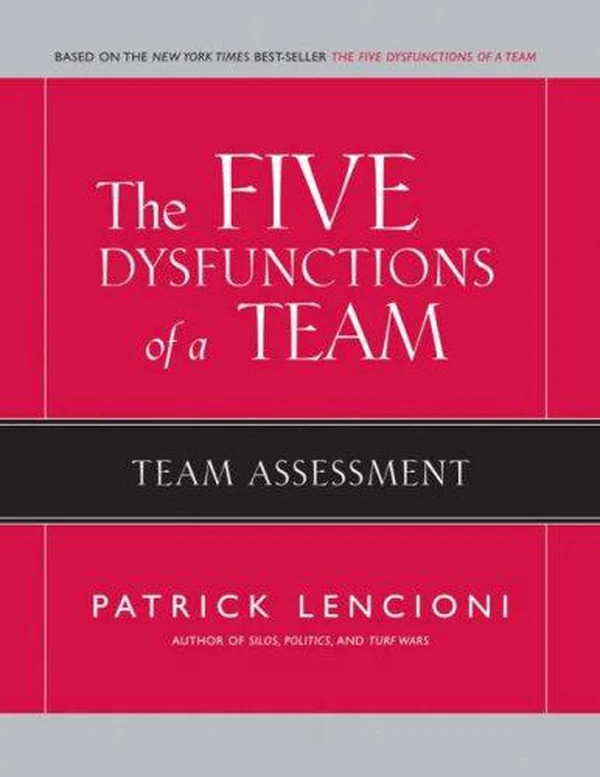
The Five Dysfunctions of a Team
Patrick Lencioni · 2007
Your team argues about the wrong things and agrees about nothing that matters. Lencioni tells it as a business novel, so you recognise your own people by page twenty and you stop blaming the calendar. It is the first book we hand over when somebody says their team has stopped talking. The field guide that follows it carries the exercises, and there is an illustrated manga edition for people who will not read a novel. The day after, the silences in the room have names. the exercises we use in the room.
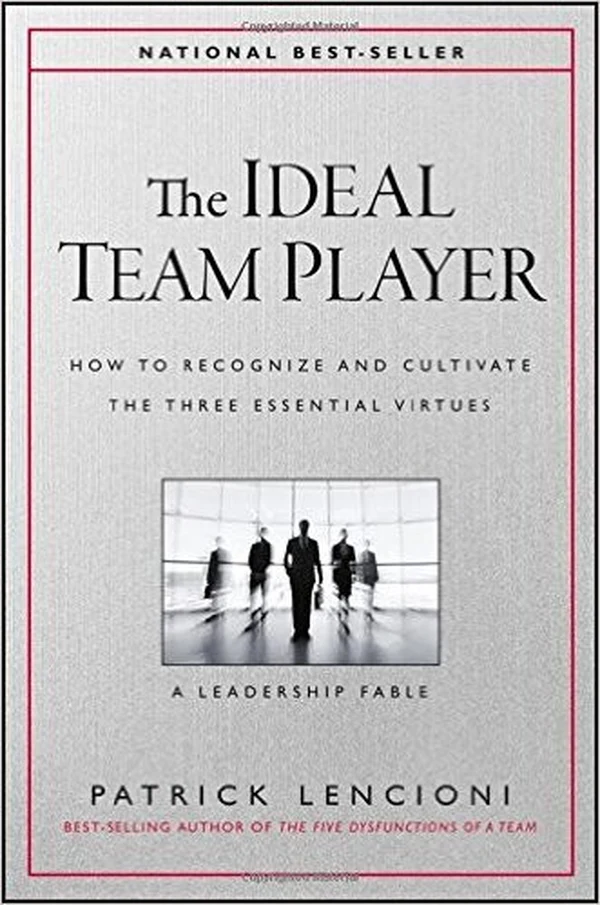
The Ideal Team Player
Patrick Lencioni · 2016
You hire the best CV in the pile and six months later the team is slower. Lencioni goes after the three things that actually decide whether somebody makes a group better, and gives you language to say out loud what you already sensed in the interview. We keep it because it turns a gut feeling into a question you can ask. The day after, a manager knows what to watch for in the person who is already on the payroll. where an assessment starts.
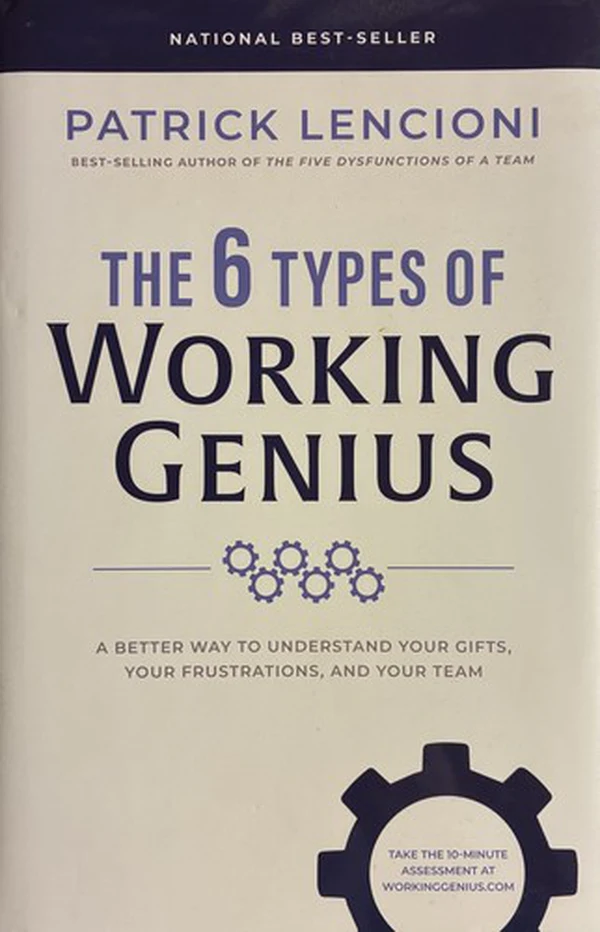
The 6 Types of Working Genius
Patrick Lencioni · 2022
Half your team is exhausted doing work that drains them while the person two desks away would enjoy it. This one maps the parts of any piece of work and shows where each person lights up and where they grind. It is the fastest way we know to explain why a brilliant group keeps stalling at the same stage. The day after, tasks move across the table and nobody has to be retrained. the work we do on competences.
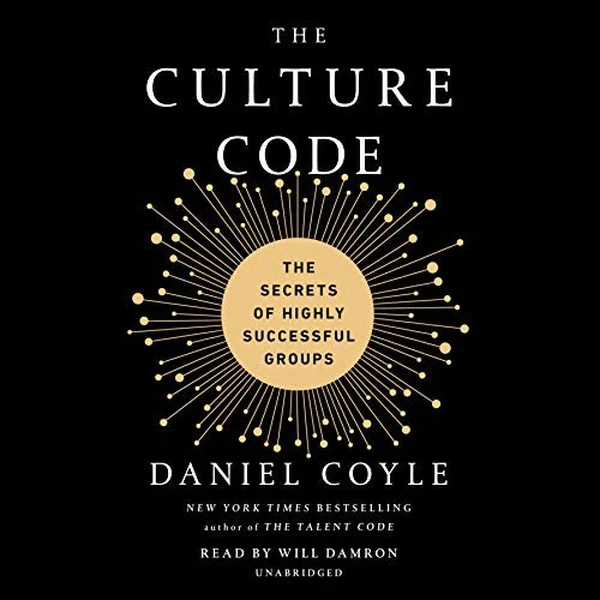
The Culture Code
Daniel Coyle · 2018
You cannot see culture, so you assume you cannot work on it. Coyle went looking at groups that perform far above their parts and came back with the small, physical, repeatable signals that make people feel safe enough to take a risk in front of each other. The Culture Playbook is the short companion with the drills. We use it because it makes culture something you can rehearse. The day after, someone says the uncomfortable thing in the meeting and the room survives. the Social family, where the group builds for somebody else.
The Fearless Organization
Amy C. Edmondson · 2018
Your people know what is wrong and tell you about it at the exit interview. Edmondson brought psychological safety out of the research and into language a manager can use on a Monday, with the evidence for why the quiet team is usually the slower one. We recommend it to leaders who ask us why nobody challenges them. The day after, a question gets asked in front of everybody instead of in the corridor. climate and environment.
Tribal Leadership
Dave Logan, John King, Halee Fischer-Wright · 2007
Every company has tribes inside it, and each one talks about the work in its own way. This book gives you five stages of that language and shows how a group moves from one to the next, which is useful the moment you realise two departments are describing the same project in incompatible words. We reach for it when the problem is the story a team tells itself. The day after, you hear the stage in the first sentence somebody says. Team Coaching.
Books on conversations that build trust
Dare to Lead
Brené Brown · 2018
You give feedback by email because the conversation is uncomfortable. Brown makes the case that the discomfort is the job, and she does it with research rather than encouragement. What earns it a place here is how concrete it gets about the moment you have to say something true to somebody you like. The day after, a manager has one conversation they had been postponing for a month. the language of leadership.
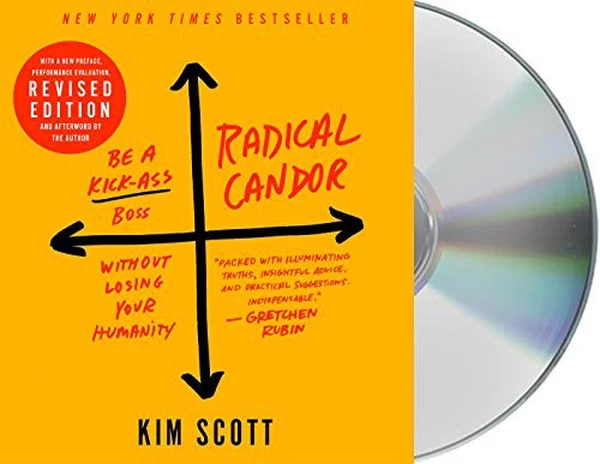
Radical Candor
Kim Scott · 2017
Your feedback is either so soft nobody hears it or so blunt nobody listens. Scott draws the two axes, care personally and challenge directly, and suddenly you can see which corner you have been living in. We hand it to people who have just been promoted and are terrified of becoming the boss they had. The day after, praise gets specific and criticism gets kind, and both get said. how we work on communication.
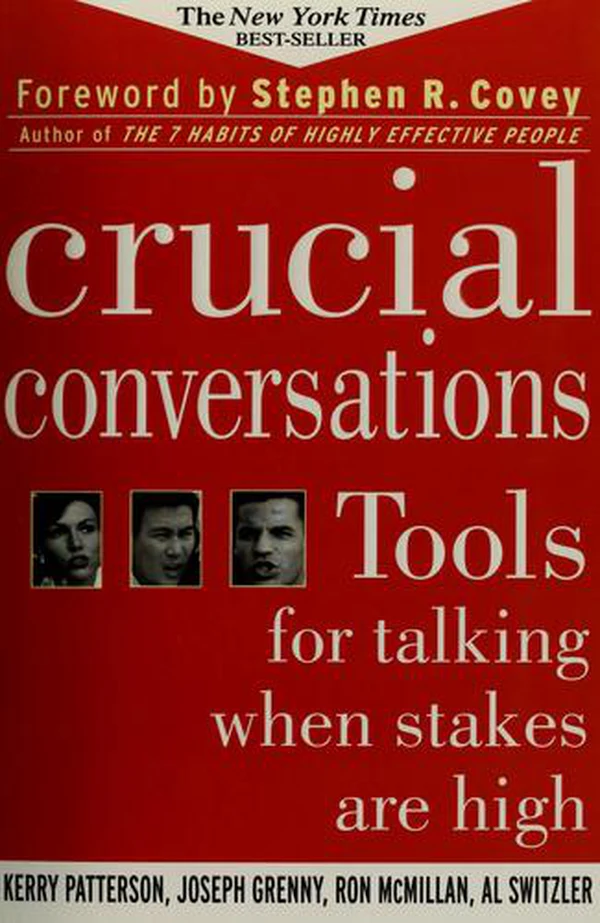
Crucial Conversations
Kerry Patterson, Joseph Grenny, Ron McMillan, Al Switzler · 2001
The conversations that decide everything are the ones where the stakes are high and the opinions differ, and those are exactly the ones people avoid. This is the manual for the ten minutes when it matters, with moves you can practise rather than principles you can admire. We like it because it works on a room with a clock running. The day after, somebody stays in a difficult conversation instead of leaving it. Escape Box, where the clock does the pressing.
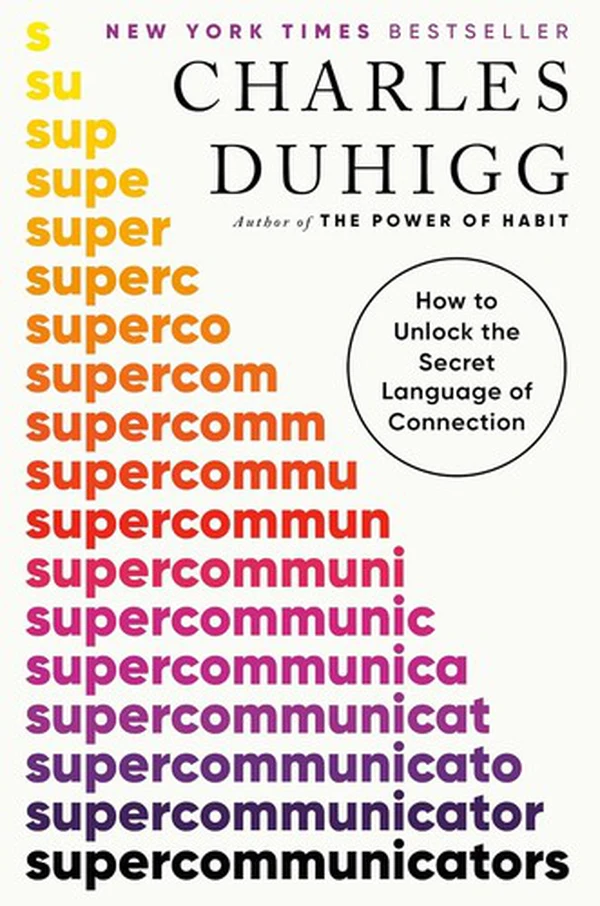
Supercommunicators
Charles Duhigg · 2024
Two people talk for twenty minutes and leave having had different conversations. Duhigg takes apart what the people who connect easily are actually doing, and it turns out to be learnable: matching the kind of conversation the other person is having before you try to steer it. We use it constantly in debriefs. The day after, a team notices when it is answering a practical question with an emotional one. Team Radio, where the whole game is listening.
Books for multicultural teams
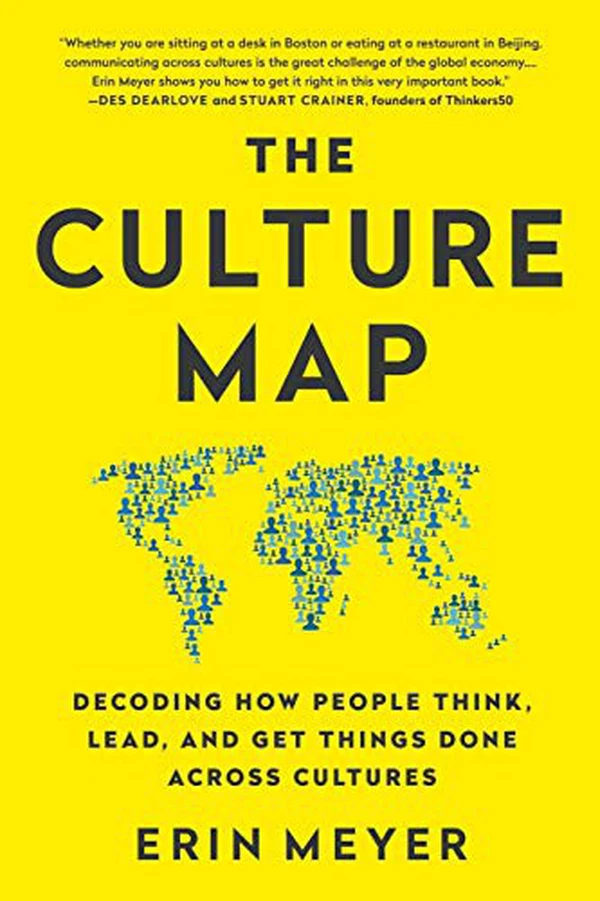
The Culture Map
Erin Meyer · 2014
Your team spans eight nationalities and everybody agrees in the meeting. Then the work comes back in three different shapes. Meyer maps the invisible rules, how feedback lands, how decisions get made, what a silence means, across cultures that are all speaking English to each other. In the Gulf it is the most practical book on this shelf. The day after, somebody stops reading agreement into politeness. the Urban family, where a mixed group has to move as one.
Rebel Ideas
Matthew Syed · 2019
A room full of clever people can still be blind in exactly the same direction. Syed goes after collective blindness and shows why a group of similar brilliant minds loses to a mixed group that thinks in different shapes. We keep it because it turns diversity from a value on a wall into a performance argument. The day after, somebody in the meeting notices who has not spoken yet. Sparkathlon, where the clock rewards the unexpected idea.
Give and Take
Adam Grant · 2013
The colleague who helps everybody is either the most valuable person in the company or the most exhausted, and usually both at once. Grant sorts people into givers, takers and matchers, then follows what happens to each of them over a career. What earns it a place here is the part on how givers protect themselves. The day after, a team can see who is carrying the invisible work. the Farm, where what the team makes goes to somebody else.
Books on play, humour and energy at work
Play
Stuart Brown · 2009
Somebody in every company believes that playing is time taken away from working. Brown spent a career on the research and comes back with what happens to adults who stop: less invention, less flexibility, less pleasure in each other’s company. It is the book we reach for when a client asks why grown professionals should build something ridiculous together. The day after, the room laughs earlier. the icebreakers we open with.
Humor, Seriously
Jennifer Aaker, Naomi Bagdonas · 2021
Your best meeting this year was the one where somebody made everybody laugh, and nobody wrote that in the minutes. Two Stanford teachers take humour apart and show what it does to trust, to memory, and to how much people are willing to say out loud. They also make the case that it can be learned. The day after, a manager opens with one line and the room opens with it. Laughter Yoga.
The Power of Fun
Catherine Price
You finish the week tired, you spend the weekend scrolling, and on Monday you are still tired. Price separates what feels like fun from what actually restores you, and the difference turns out to be playfulness, connection and flow arriving together. We use it when we design a day that has to send people home lighter than they arrived. The day after, the group still remembers what it did. the ideas we start from.
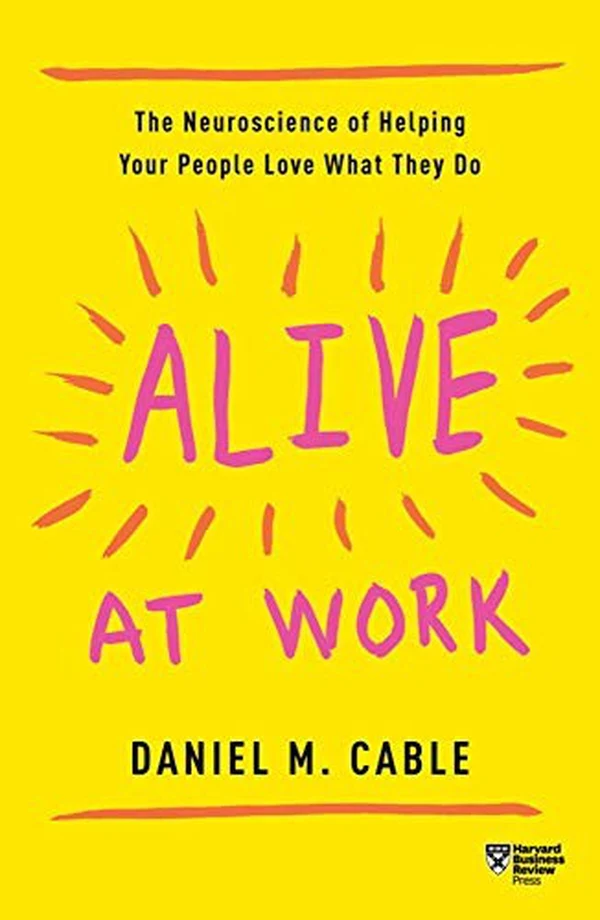
Alive at Work
Daniel M. Cable · 2018
Half your team is doing the job correctly and none of it lights them up. Cable comes at it from the biology of seeking, what happens in the brain when people are allowed to experiment and what happens when they are not. It explains a great deal about why a tidy process can still produce dull work. The day after, somebody gets permission to try it their own way. the work on mission.
Yes, And
Kelly Leonard, Tom Yorton · 2015
Somebody offers an idea and the next voice in the room explains why it will not work. Two people from Second City take the rules of improvisation and put them into meetings, hiring and leadership, and the heart of it is accepting what you have been handed before you add to it. The day after, a meeting gets further because nobody closed the first door. Theatre Training.
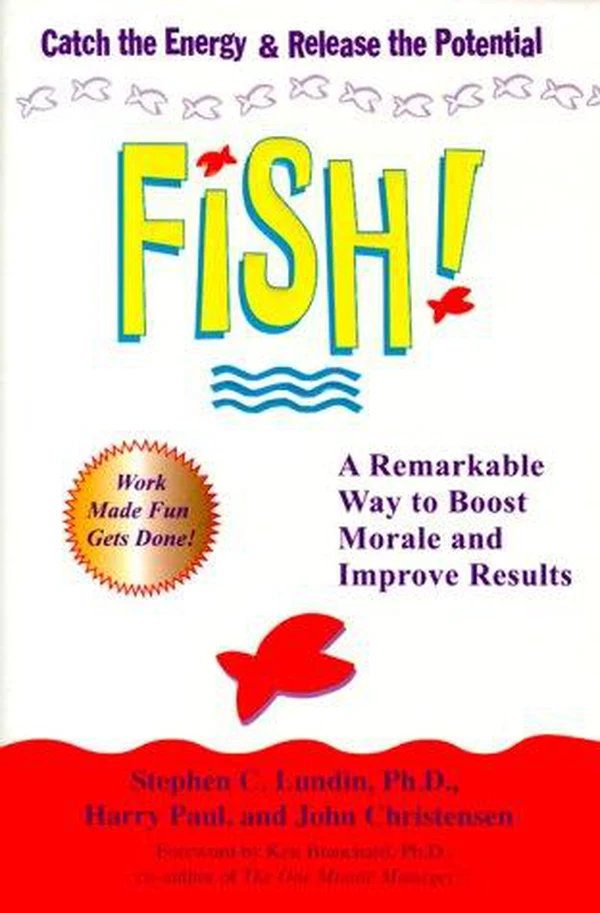
Fish!
Stephen C. Lundin, Harry Paul, John Christensen · 2000
A team can do everything right and still feel flat from nine in the morning. Fish! comes out of a fish market where the work is cold, wet and repetitive, and the people doing it decided how they were going to show up anyway. It is short, it is a parable, and it lands with groups who have stopped believing in workshops. The day after, somebody chooses their attitude on purpose. Body Percussion, where the energy has to come from everybody.
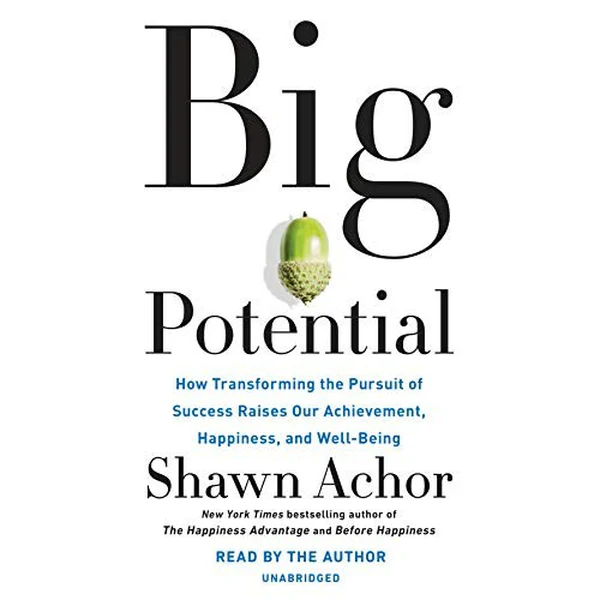
Big Potential
Shawn Achor · 2018
You keep pushing individuals to get better and the group stays exactly where it was. Achor argues that the ceiling on what one person can do is set by the people around them, and he brings the numbers for it. It is the book behind every time we tell a client that training one manager will not move a team. The day after, somebody stops measuring the star and starts measuring the room. the big event formats, where the whole room moves together.
Books from music and the stage
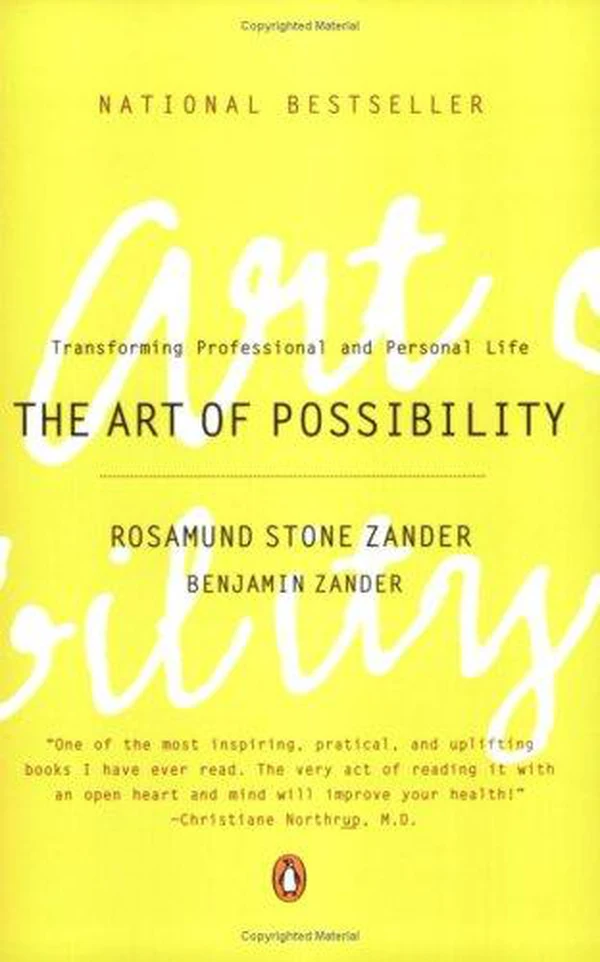
The Art of Possibility
Rosamund Stone Zander, Benjamin Zander · 2000
Your team is arguing over the size of a slice while somebody could be making the cake bigger. A conductor and a therapist wrote this together, which is why it moves between rehearsal rooms and boardrooms without effort. The chapter where every student is given an A before the course begins changes how you think about expectation. The day after, somebody grants a colleague a possibility instead of a score. the Corporate Orchestra.
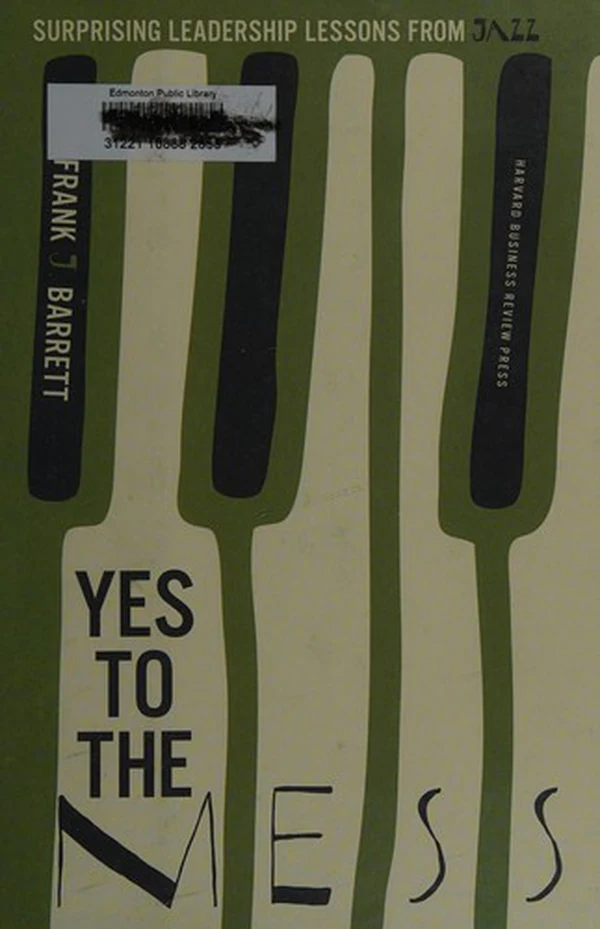
Yes to the Mess
Frank J. Barrett · 2012
Every plan meets the moment when reality does something the plan never included. Barrett is a jazz pianist and an organisational scholar, and he uses the way a band handles a wrong note to explain how groups improvise without falling apart. We like it because it takes the romance out of improvisation and leaves the craft behind. The day after, a team treats a surprise as material. the Music family.
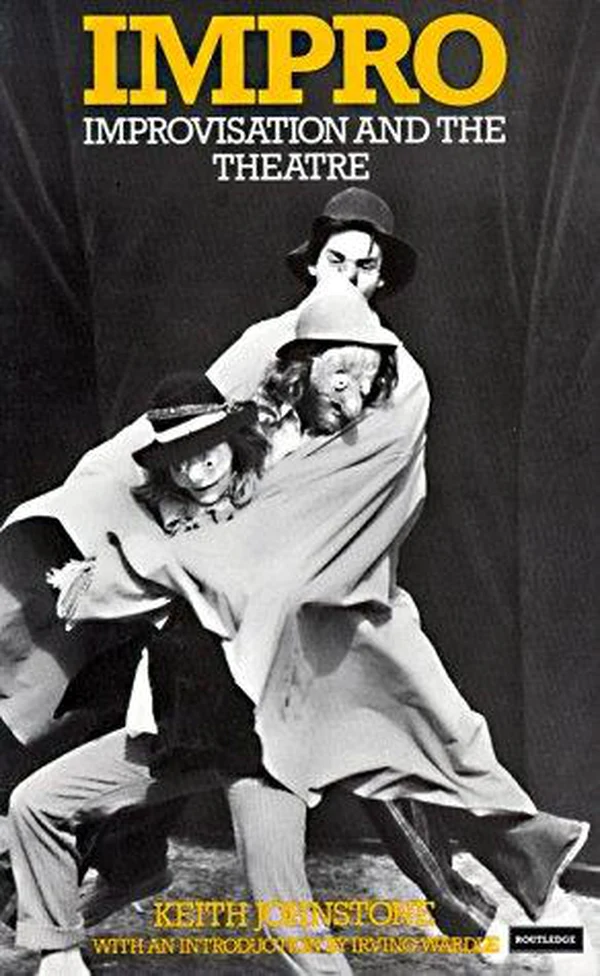
Impro
Keith Johnstone · 1979
Half of what happens in a meeting is people negotiating status without ever saying so. Johnstone wrote the book on theatre improvisation in 1979 and it still explains more about groups than most management titles manage. The section on status is the one we come back to every year. The day after, somebody notices the game being played underneath the conversation. Movie Making.
Team stories from sport

Legacy
James Kerr · 2013
Standards slip quietly, one small exception at a time. Kerr spent time inside the All Blacks and came back with fifteen lessons on how a team keeps its own bar high when nobody is watching. The one about sweeping the sheds is the one people remember, and it is the one that transfers to an office. The day after, somebody does the unglamorous thing without being asked. the work on values.
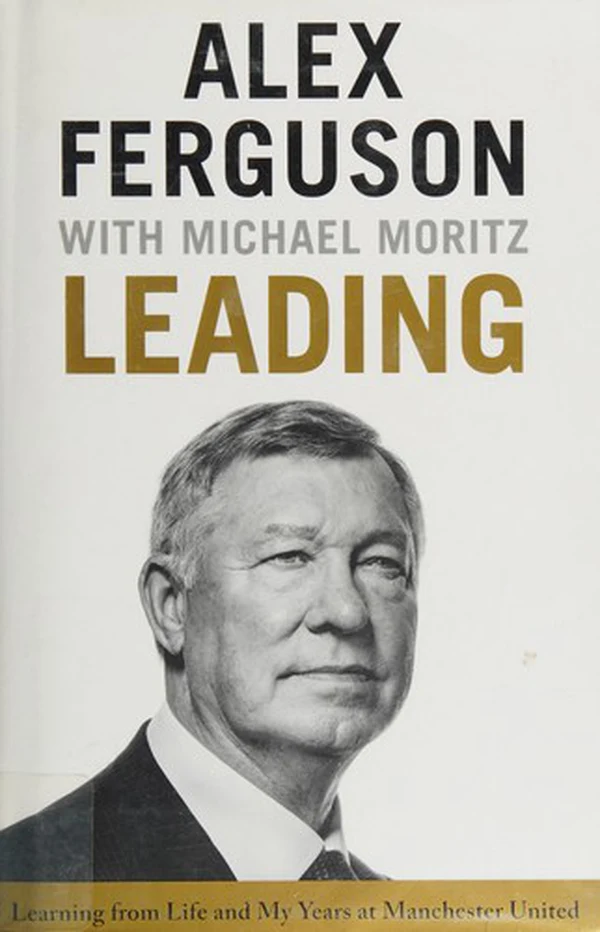
Leading
Alex Ferguson, Michael Moritz · 2015
Managing people is easy for a season and hard for a decade. Ferguson built and rebuilt the same club for twenty-six years, and this is his account of handling the ones who were difficult, the ones who were finished, and the ones about to arrive. It is unusually honest about the mistakes. The day after, a manager thinks about the next three years instead of the next quarter. one-to-one coaching.
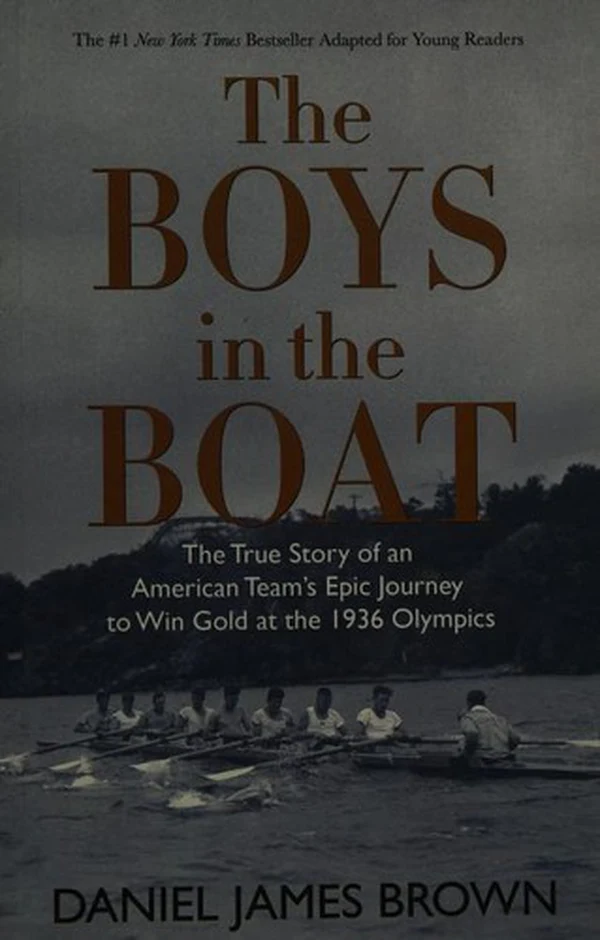
The Boys in the Boat
Daniel James Brown · 2013
Nine people can each be excellent and still move a boat badly. Brown tells the story of an American rowing crew in the 1930s and gets to the thing rowers call swing, the moment individual effort disappears into one movement. It is a proper book, and it says more about working together than a model ever will. The day after, a team can feel the difference between effort and timing. Sailing.
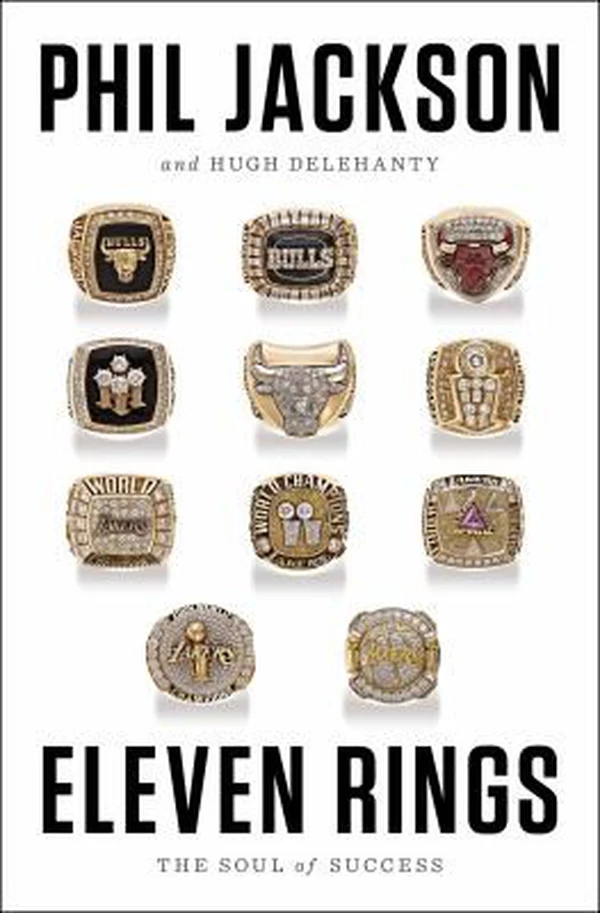
Eleven Rings
Phil Jackson, Hugh Delehanty · 2013
You have two people who could each carry the team, and together they carry nothing. Jackson won eleven championships with some of the largest egos in sport, and the book is about the quiet work of getting them to hand the ball over. He is more interested in attention than in tactics. The day after, a coach spends the meeting on roles instead of targets. Team Padel, where the rotations decide everything.
Belonging
Owen Eastwood · 2022
Somebody on your team is technically included and still feels part of nothing. Eastwood works with national teams and writes about the oldest question any group faces, who is one of us, and what a group owes the people inside it. It is short and it reads like a manual for identity. The day after, a team can say out loud what it stands for. the Alignment level.
Books on experiences, events and incentives
The Power of Moments
Chip Heath, Dan Heath · 2017
Your company day was well organised and by March nobody remembers a single thing about it. The Heath brothers take apart what makes certain moments stay with people, and they find four ingredients you can build on purpose. It is the most useful book here for anybody designing an experience. The day after, a team is still telling one story from the day. the Creative family.
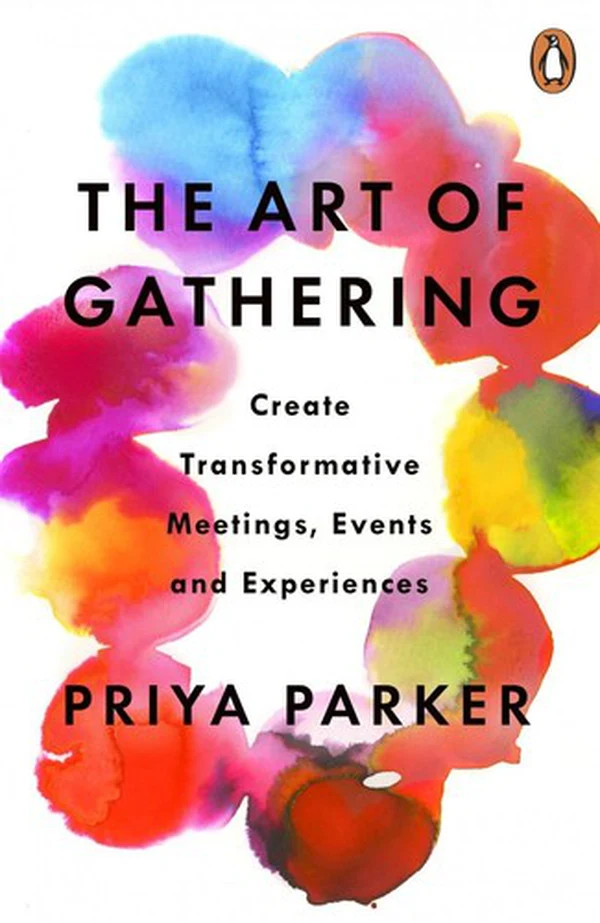
The Art of Gathering
Priya Parker · 2018
Most gatherings get organised around logistics and nobody ever asks what they are for. Parker starts from purpose and works outward to rules, openings and endings, and she is ruthless about the polite habits that make events forgettable. We think about this book every time we design an agenda. The day after, a meeting ends properly instead of running out of time. how we organise a day.
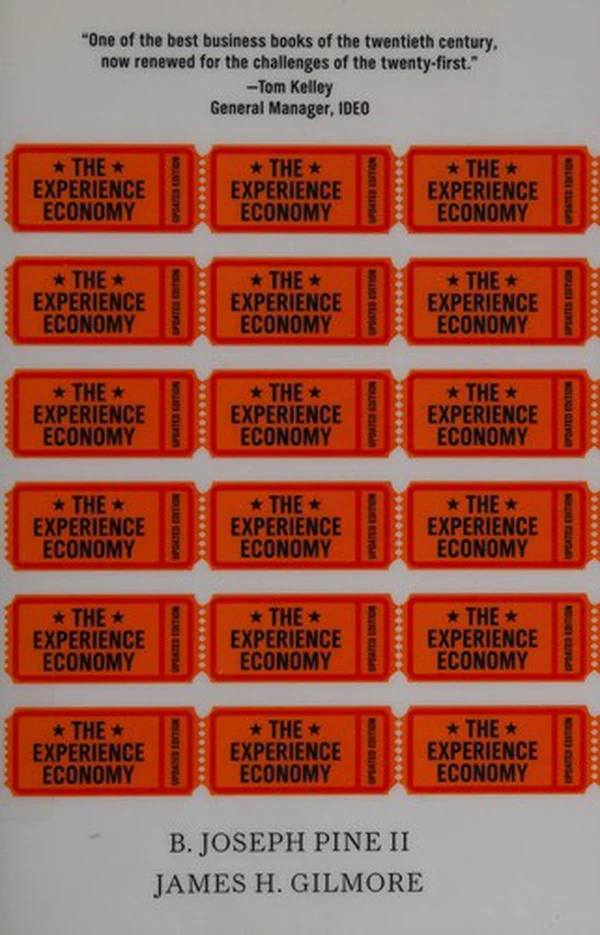
The Experience Economy
B. Joseph Pine II, James H. Gilmore · 2011
Two companies buy the same activity on the same day and only one of them gets something worth remembering. Pine and Gilmore explain why, with the argument that experiences are their own kind of offering and have to be staged like one. It is the theory underneath what we do for a living. The day after, a client asks a sharper question about what they are actually buying. team building or incentive.
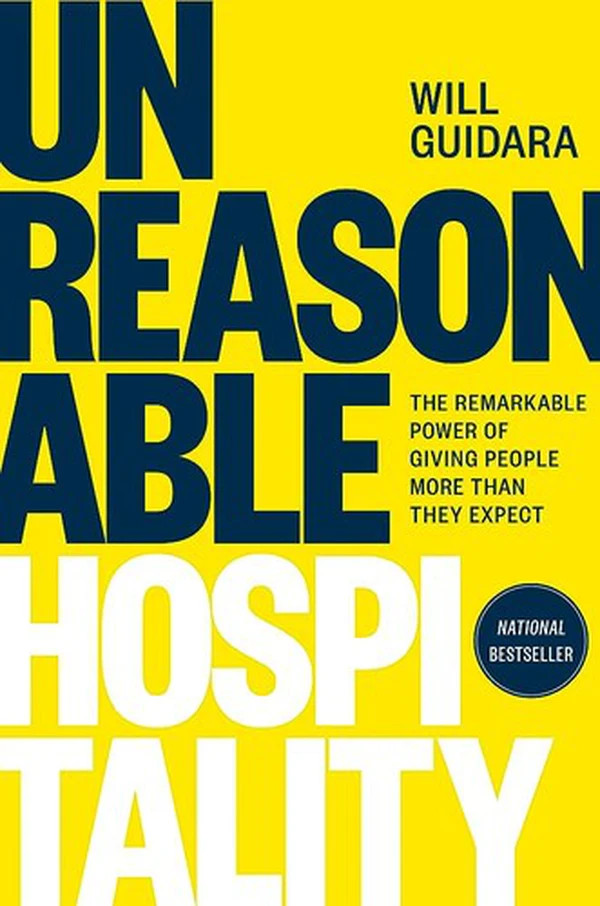
Unreasonable Hospitality
Will Guidara · 2022
You can get every detail right and still leave people cold. Guidara took a restaurant to the top of the world list by working on the part that is not on the menu, the deliberate and slightly excessive gesture that people talk about for years. It is the best book here on making somebody feel looked after. The day after, a team does one unreasonable thing for a colleague. Dinner Cooking.
The method behind our work, and a local voice
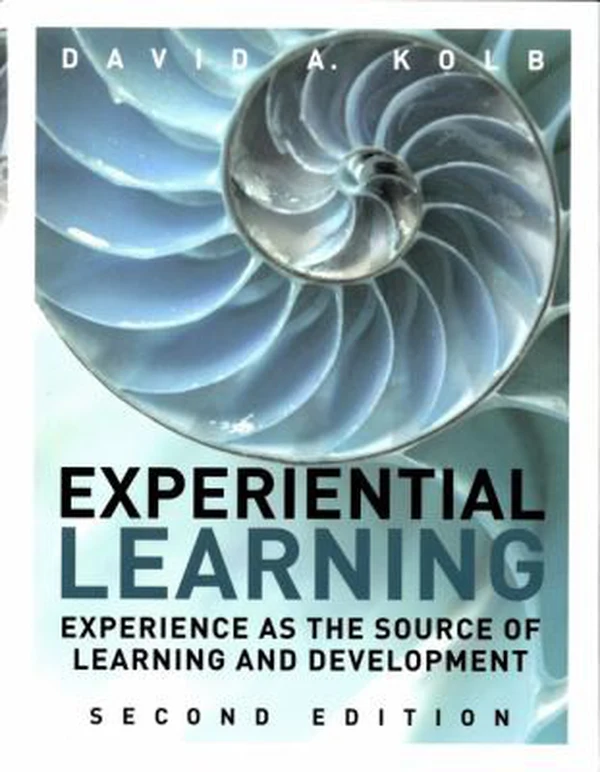
Experiential Learning
David A. Kolb · 1983
Doing something together is pleasant and on its own it teaches nothing. Kolb set out the cycle that turns an experience into learning: you do, you look back, you make sense of it, then you try again differently. It is the backbone of every debrief we run, and the reason we never end a day with applause and a coach. It is academic, and it repays the effort. our method and the Kolb cycle.
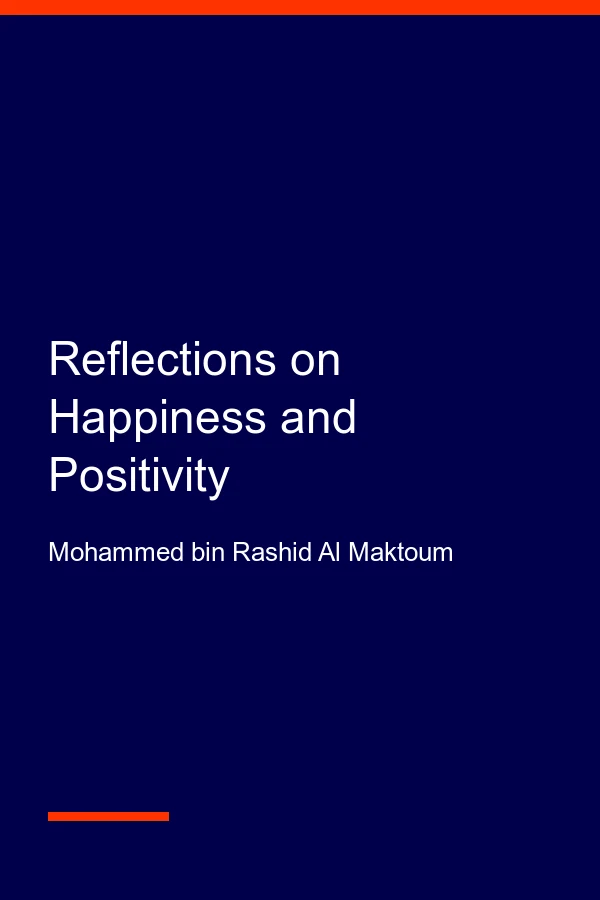
Reflections on Happiness and Positivity
Mohammed bin Rashid Al Maktoum
A book on happiness written by somebody running a country reads differently from one written by a consultant. It sets out how the Emirates came to treat wellbeing as something a government measures and acts on, and it is short, direct and full of decisions. We keep it because it is the local voice on a subject everybody else writes about from the outside. The day after, a manager here has a reference their own leadership will recognise. where we work.
Let’s talk about your next team building
You don’t need to have picked a format yet. Tell us what you want your team to take home, how many of you there are and where you’ll be, and we’ll do the rest: within 24 hours you get a considered proposal for your case, with the formats that hold up against your numbers, and what each one leaves the team the day after.
Prefer to talk? +971 50 795 9666 · info @ teambuildingincentive.ae