
Change Management
Accompanying a change that has already been decided.
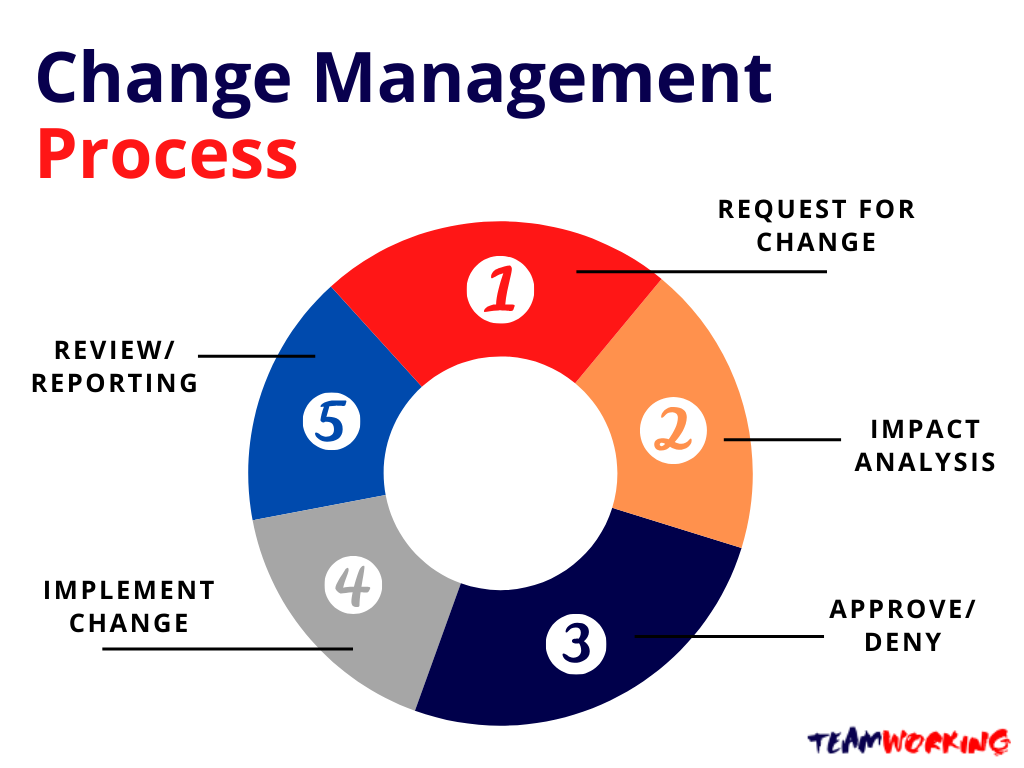
What it is
Change management is the work you do so that a change decided at the top actually arrives all the way down. The change might be a new technology, a different process, a merger, a way of working that changes. Deciding it is the easy part.
The hard part is about habits. Faced with a change, people are almost always uncertain, and uncertainty doesn’t dissolve by explaining the plan better. The deeper the change, the more time has to be budgeted for steering it. Adapting faster than the competition is already an advantage; seeing a change coming early enough to lead it is a larger one, and it’s the level this work aims at.
What you’re willing to let go of
Before asking what you want to become, it’s worth asking what you’re willing to let go of. It’s the question meetings about change almost always skip, and without an answer everything else stays theoretical.
Everyone says they want to improve. Far fewer are ready to give up a way of working they know well and are competent in. It isn’t hostility to progress: change asks you to go back to being inexperienced for a while, and nobody enjoys that.
When a team changes, the balance changes
In a group, change isn’t the sum of the individual changes. When you reorganise a team you also move the internal weights: the person who was the reference point on something may not be any more, and the person who was on the edge may find themselves at the centre.
That’s why change doesn’t get communicated to everyone in the same way. The same words, said in the same tone to different people, get very different reactions. Knowing in advance who you’re talking to is exactly what the Assessment builds.
Objectives on their own aren’t enough
An objective is a number. It’s there to measure, and it isn’t enough to move anybody. If that number isn’t hooked to something larger it stays one more effort to add to the ones already there.
Behind an objective there have to be a recognisable direction, a team aligned on that direction, and a motivation people can name. It’s why change management doesn’t come before the work on Vision, Mission and Values: without those, there’s no basis for choosing the objectives.
Pressure, and how we use it
Change always comes with a share of pressure. It isn’t only a cost: below a certain threshold pressure is what gets people moving, above it they freeze. What makes the difference is the context it arrives in.
In the sessions we deliberately rebuild the conditions of change, and therefore the conditions of tension, in a place with nothing of the office about it. The desert is the setting we use most, because it takes away every familiar reference at once, and the activity still has the air of a game. The tension is real, the consequences aren’t. That’s where you can look at how you react, and try reacting another way, without a wrong choice costing anyone anything.
Not sure where to start? The Team Alignment Check is a free test: twenty-one questions across seven dimensions. It tells you where your team is already aligned and where it isn’t, and the report arrives by email.
Let’s talk about your next team building
You don’t need to have picked a format yet. Tell us what you want your team to take home, how many of you there are and where you’ll be, and we’ll do the rest: within 24 hours you get a considered proposal for your case, with the formats that hold up against your numbers, and what each one leaves the team the day after.
Prefer to talk? +971 50 795 9666 · info @ teambuildingincentive.ae